

BIRD EYES
BRIDGES CRANES
BHP Escondida
Monitoring System
Our monitoring system was developed with the aim of offering real and solid alternatives focused on operational safety in both mining and industrial environments. The main focus of our equipment and developments is to provide technologies that are suitable for use and operation in hostile locations and unfavorable conditions.
Fixed Camera
SYSTEM
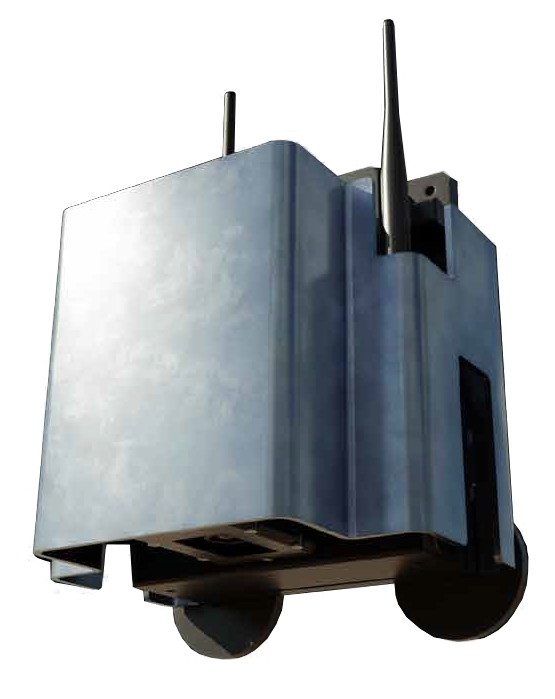
An integration of equipment configured to work together and deliver an optimal solution for the need for HD panoramic view, robust equipment, and wireless technology.
-
The HD camera sends information through a shielded coaxial cable to a signal amplifier. This amplifier (AMP) receives the signal and multiplies it for the required outputs, sending it through a shielded coaxial cable to the TX transmitter located at its base.
The TX transmitter sends information via RF to the RX receiver located next to each of the portable wireless monitors.
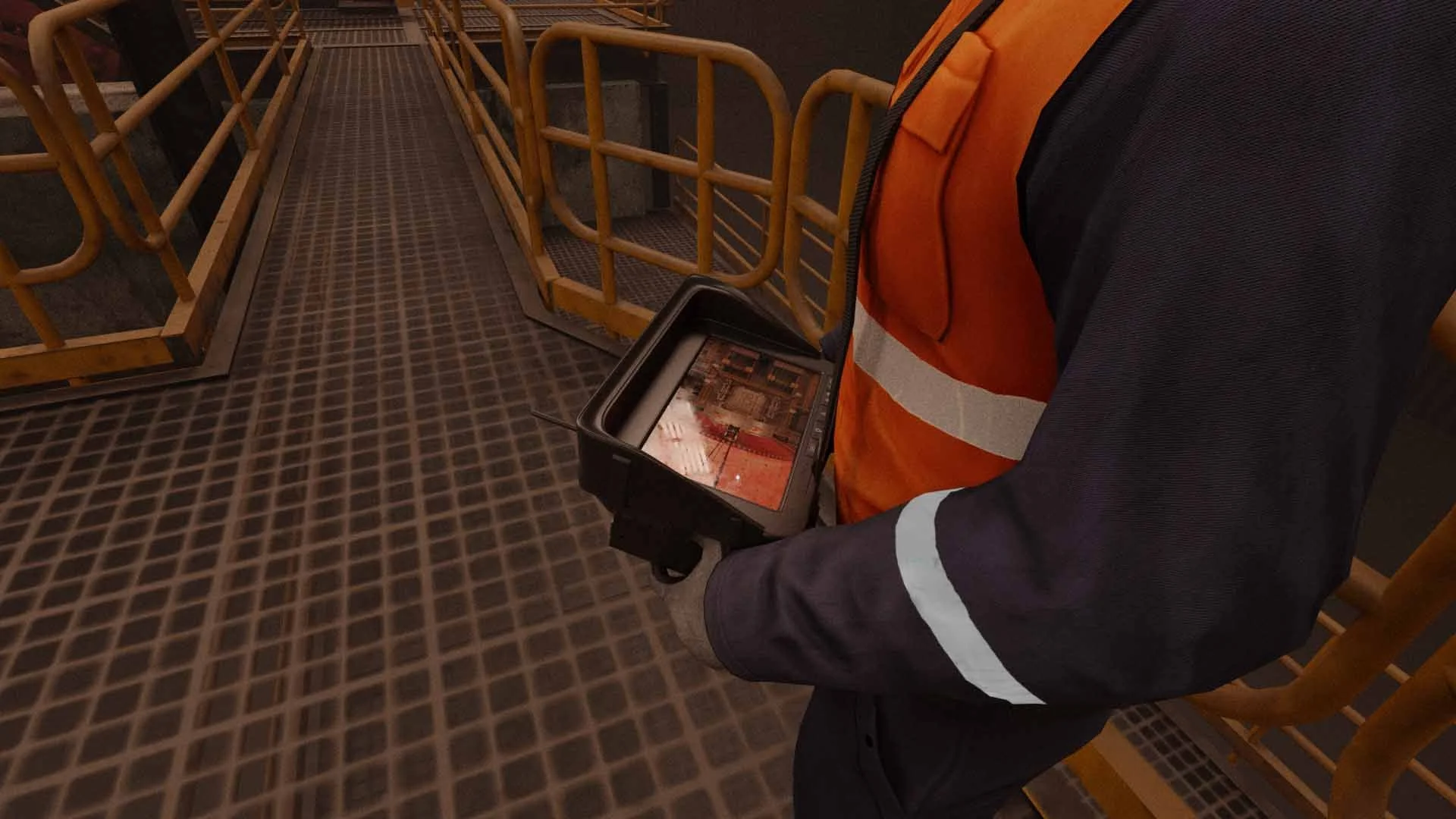
The RX receiver receives the information and allows it to be displayed on a portable wireless monitor.
Fixed Camera Mounting System
BBox
BBox - TX
BBox - TX
Camera
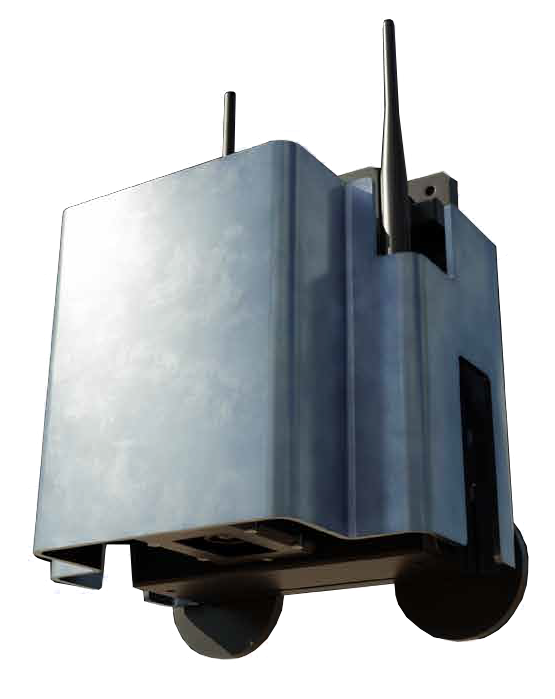
BBox - TX
Camera - Housing
-
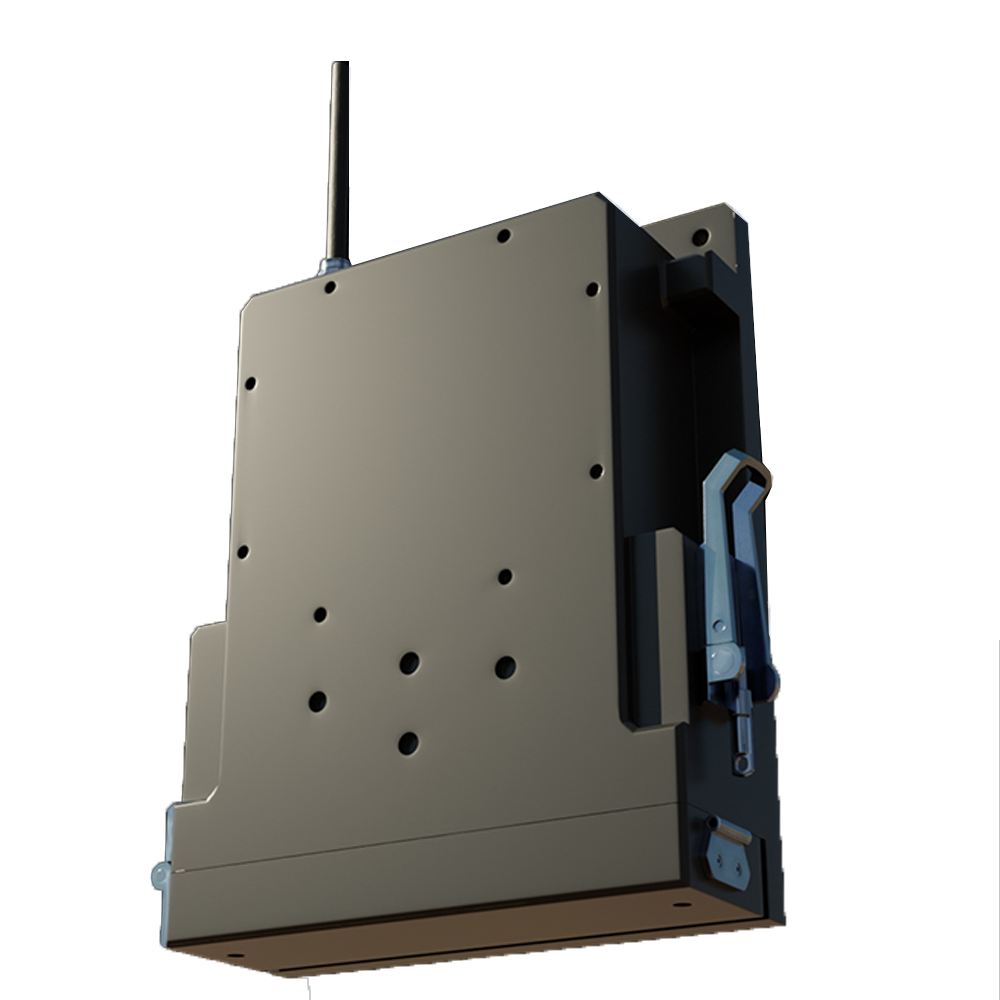
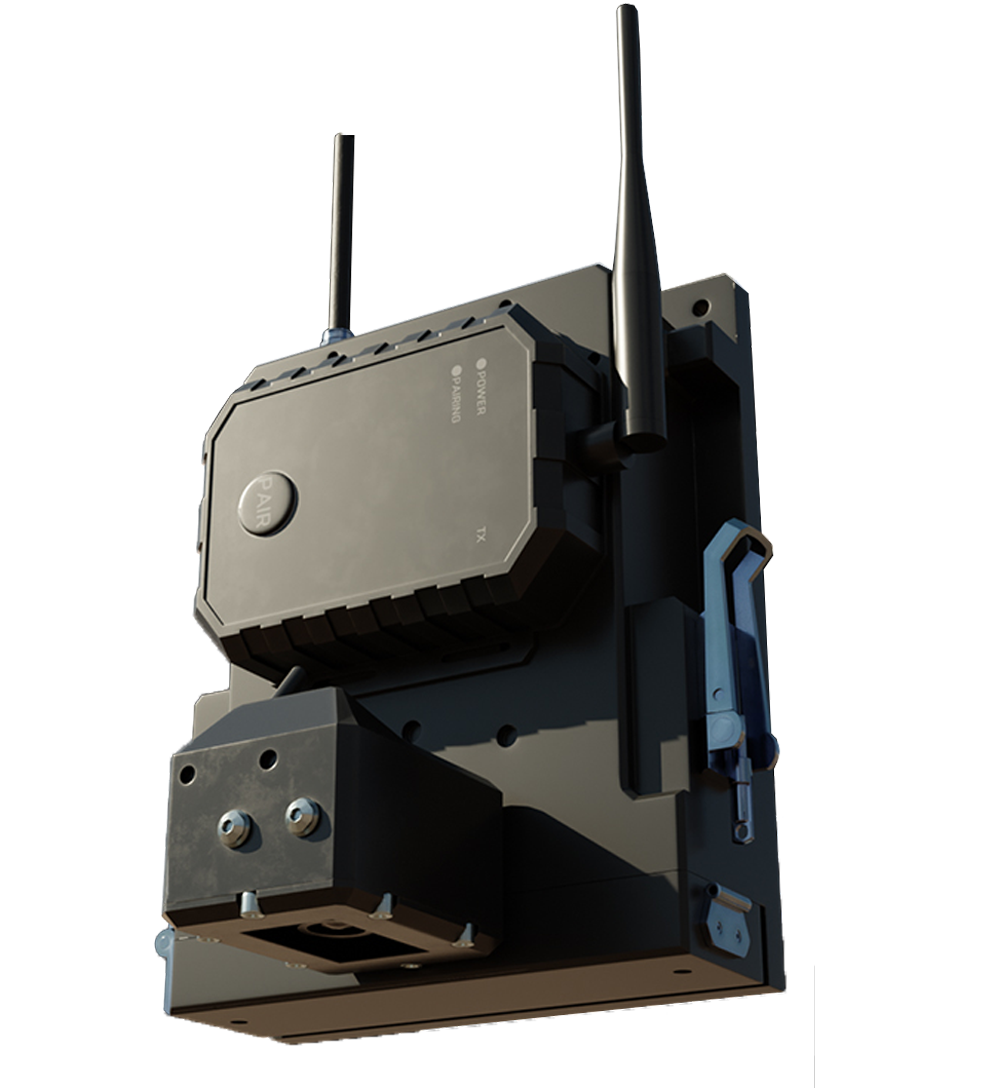
On the one hand, we have an HD camera made of high-strength aluminum, which is robust and provides high-definition video images.
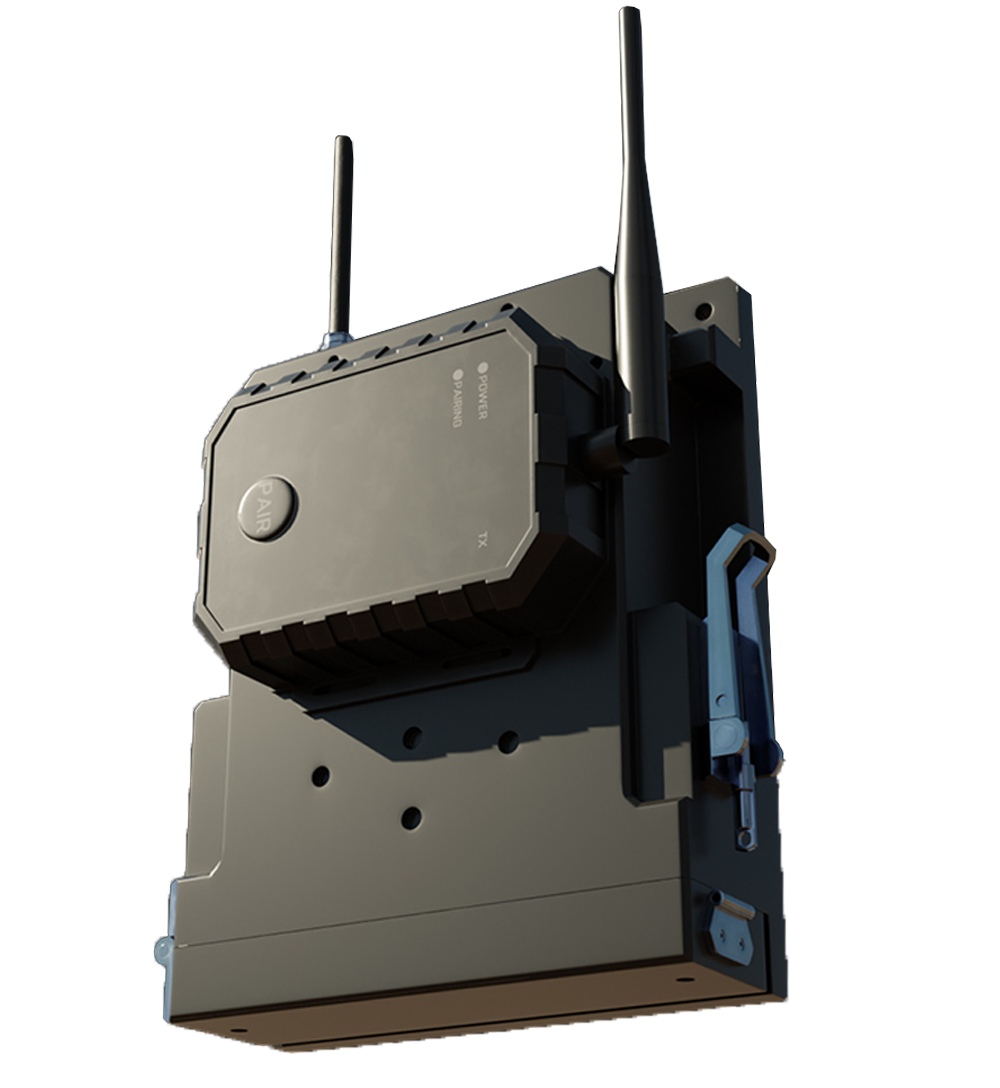
It has a highly resistant TX transmitter, communication range of 150 meters, all powered by a rechargeable lithium battery, designed for high performance, with a duration of up to 28 continuous hours, based on a detection configuration of NO monitor use for a few minutes.
These elements are compactly mounted in a metal housing with support and coating for total protection.
RX - TX
Assembly
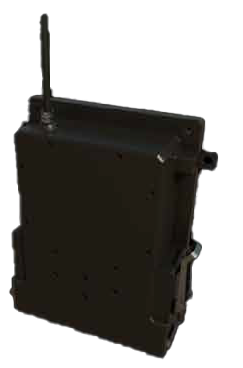
BBox
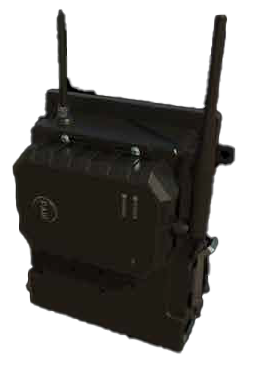
BBox - TX
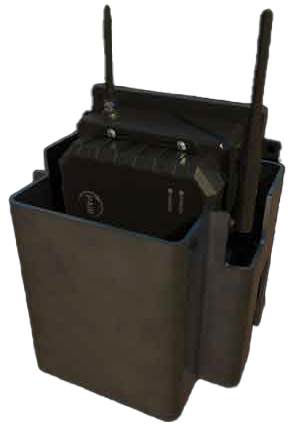
BBox - TX
Housing
-
In terms of communication, our equipment uses radio frequency (RF) signals, which deliver the best results in mining and industrial environments, or where there is a variety of equipment operating with similar technologies.
This signal allows for better performance of the entire system itself, as it provides longer battery life (over 30 continuous hours), greater distance range, TX and RX communication without passing through an amplifier, and faster data delivery and display.
On the other hand, configuration via RF signal involves a signal or frequency analyzer (Automatic Frequency Module) in the sector where operations are taking place; this analyzer detects active signals within the area, possible parasitic signals, as well as available signals.
When it detects the possibility that any of these signals could interfere with communication, it automatically and imperceptibly to the user changes the frequency internally to one of the available frequencies, without interfering with data transmission.
Finally, we emphasize the concept of Heavy Duty developments by considering that all our equipment can be reinforced for acidic environments or clouds with permanent contamination, raising the degree of protection from IP69K to NEMA 4X.
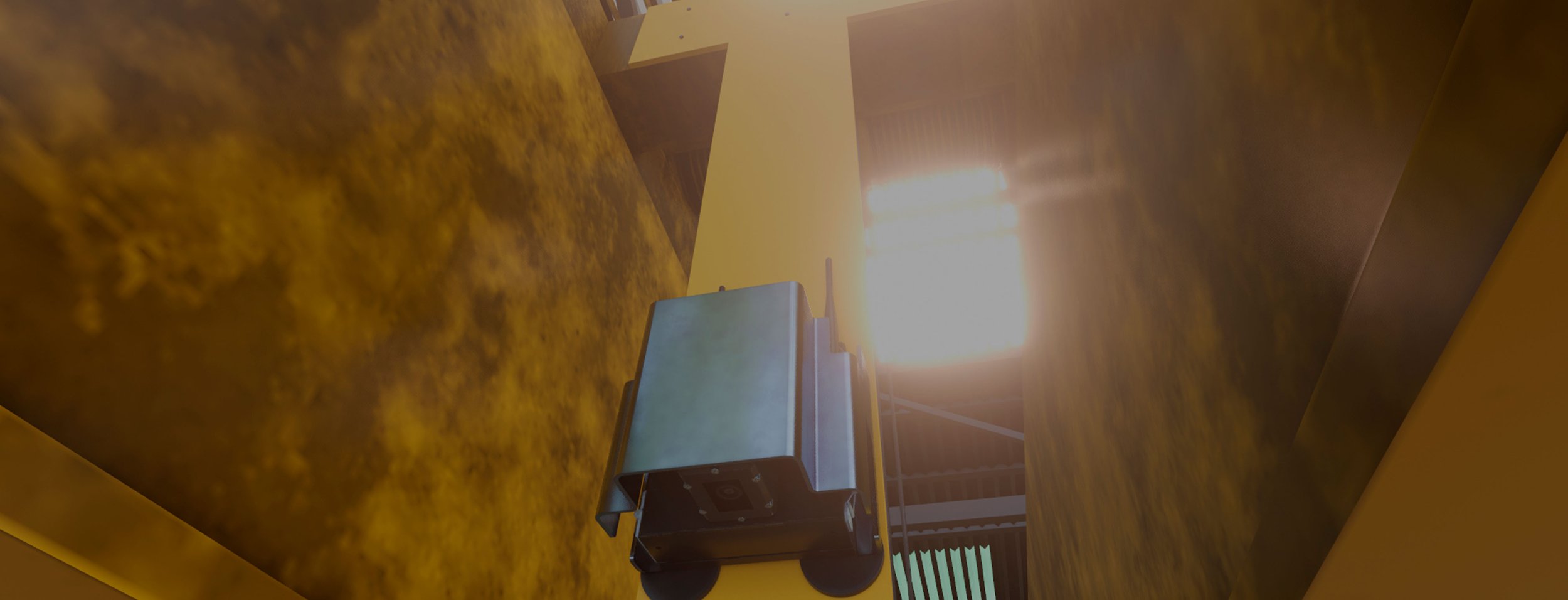
Camera View and “T” Plate
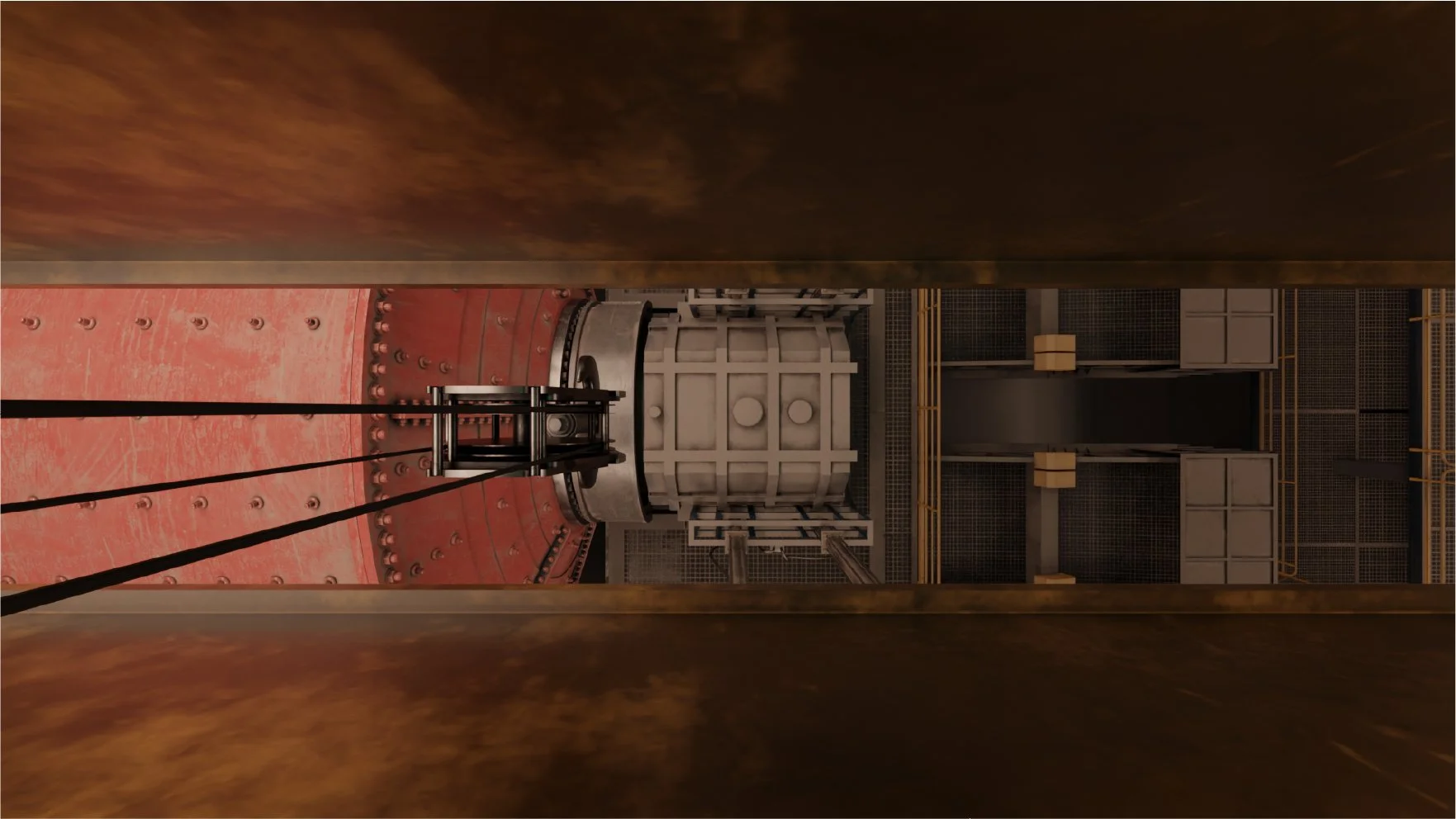
View Camera from the lane
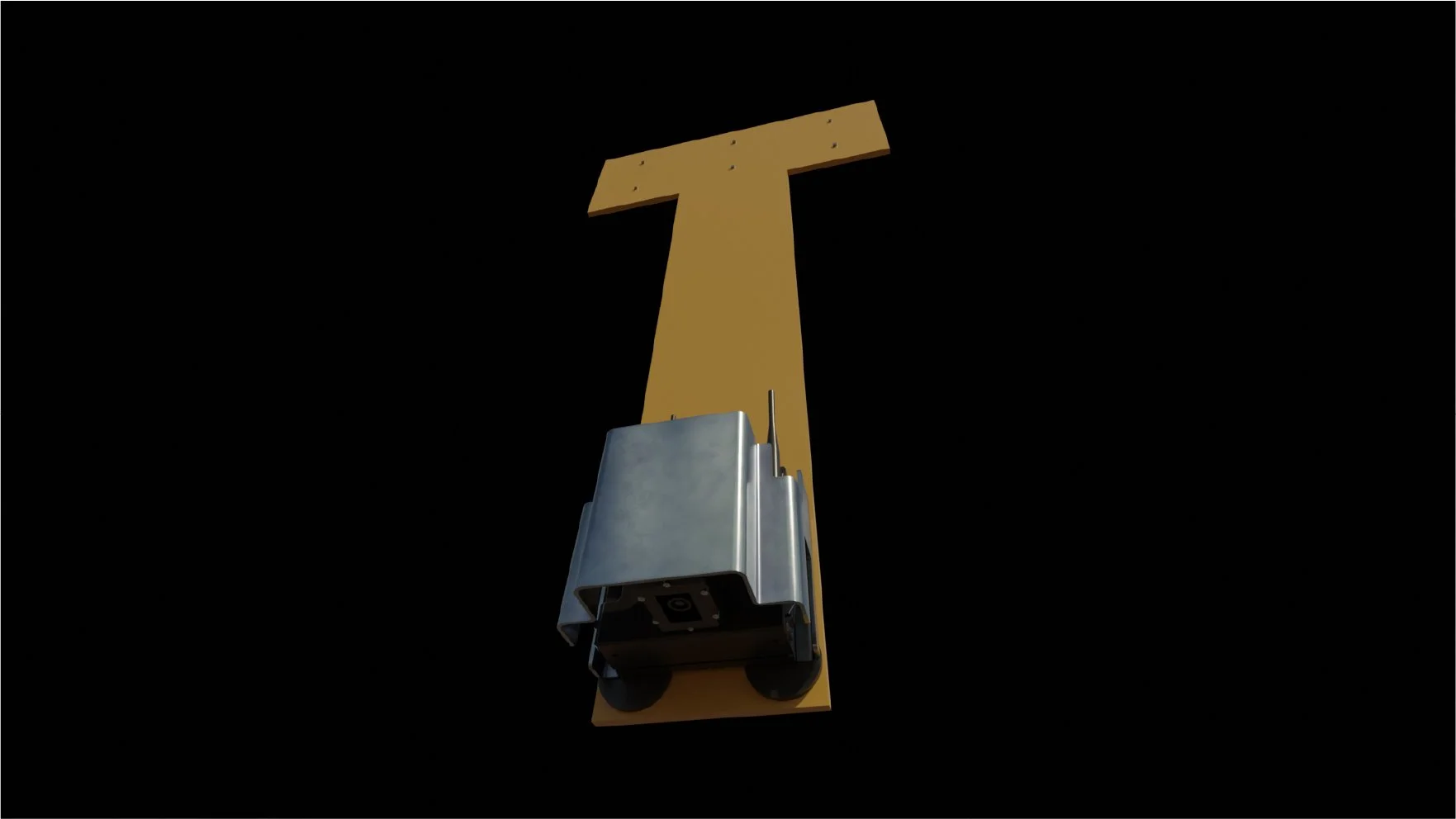
T-type plate Fixed to the rail
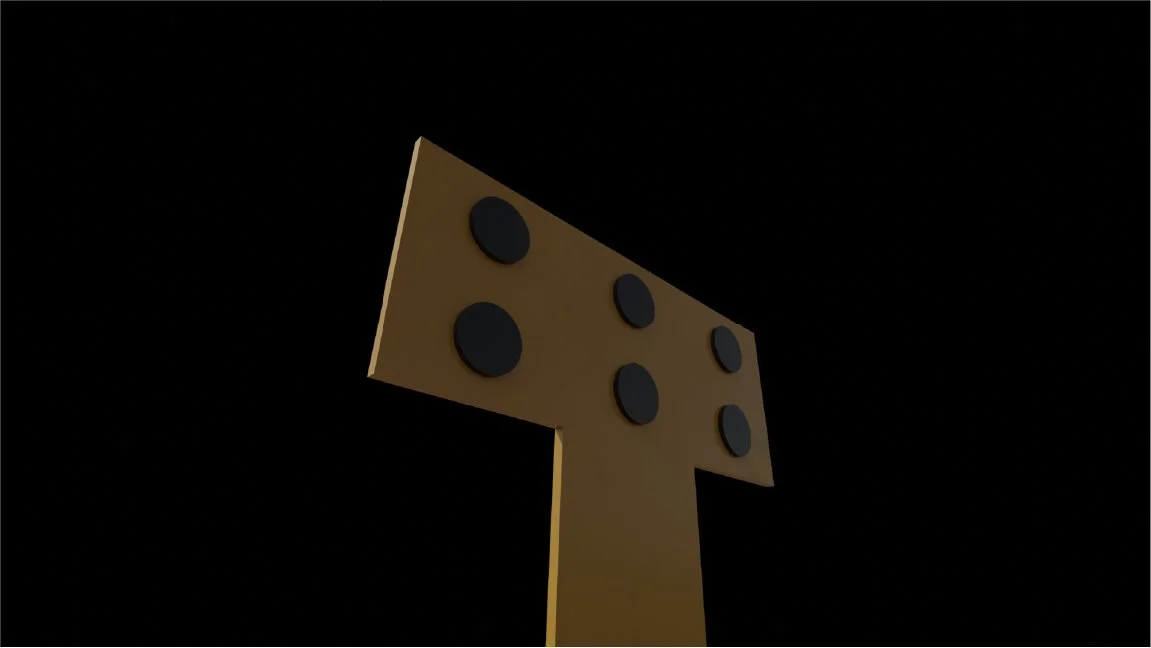
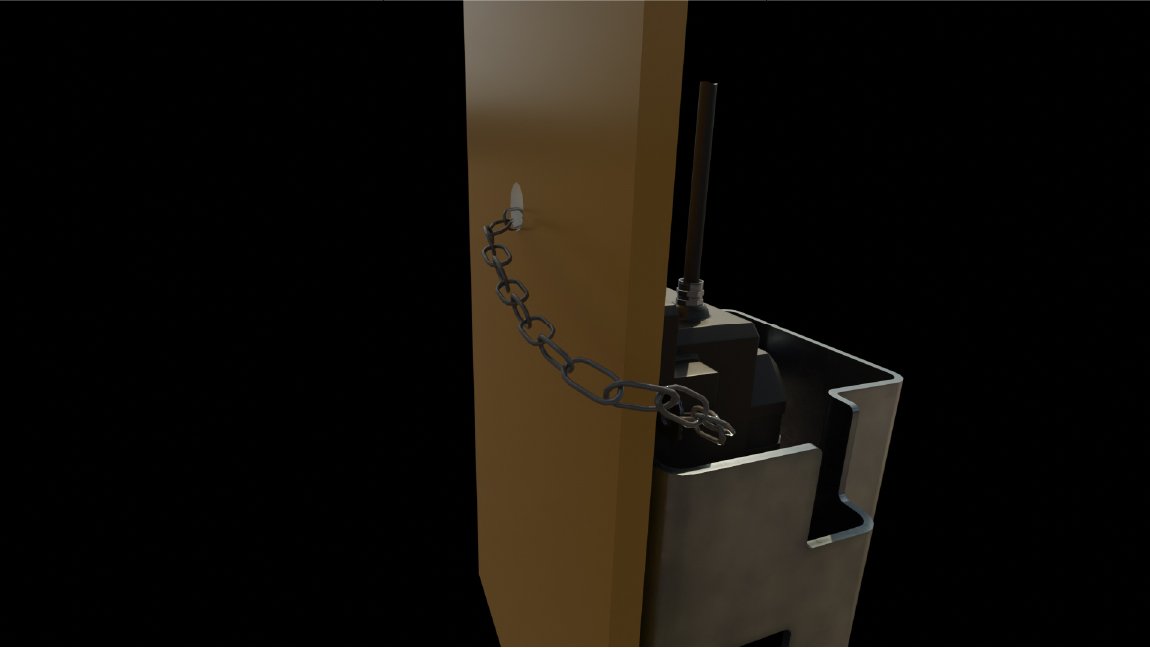

A magnetized metal T-shaped plate was designed to be attached to the bridge crane. The camera is secured with a chain for added safety.
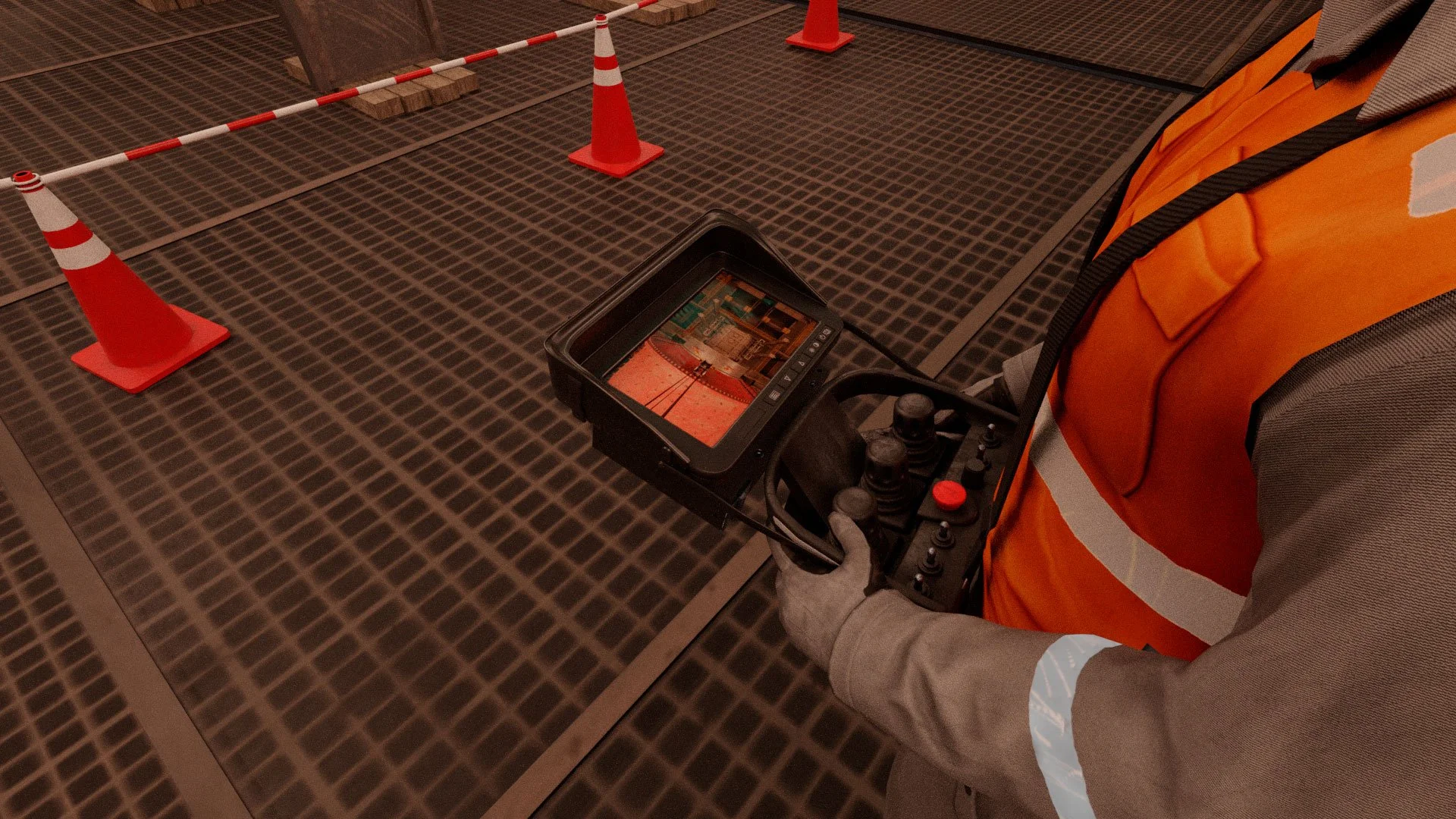
Simultaneous monitor viewing with RF technology
-
The HD camera sends information through a shielded coaxial cable to a signal amplifier. This amplifier (AMP) receives the signal and multiplies it for the required outputs, sending it through a shielded coaxial cable to the TX transmitter located at its base.
TX Transmitter sends information via RF to receiver RX located next to each of the portable wireless monitors.
RX Receiver receives the information and allows it to be displayed on a portable wireless monitor.
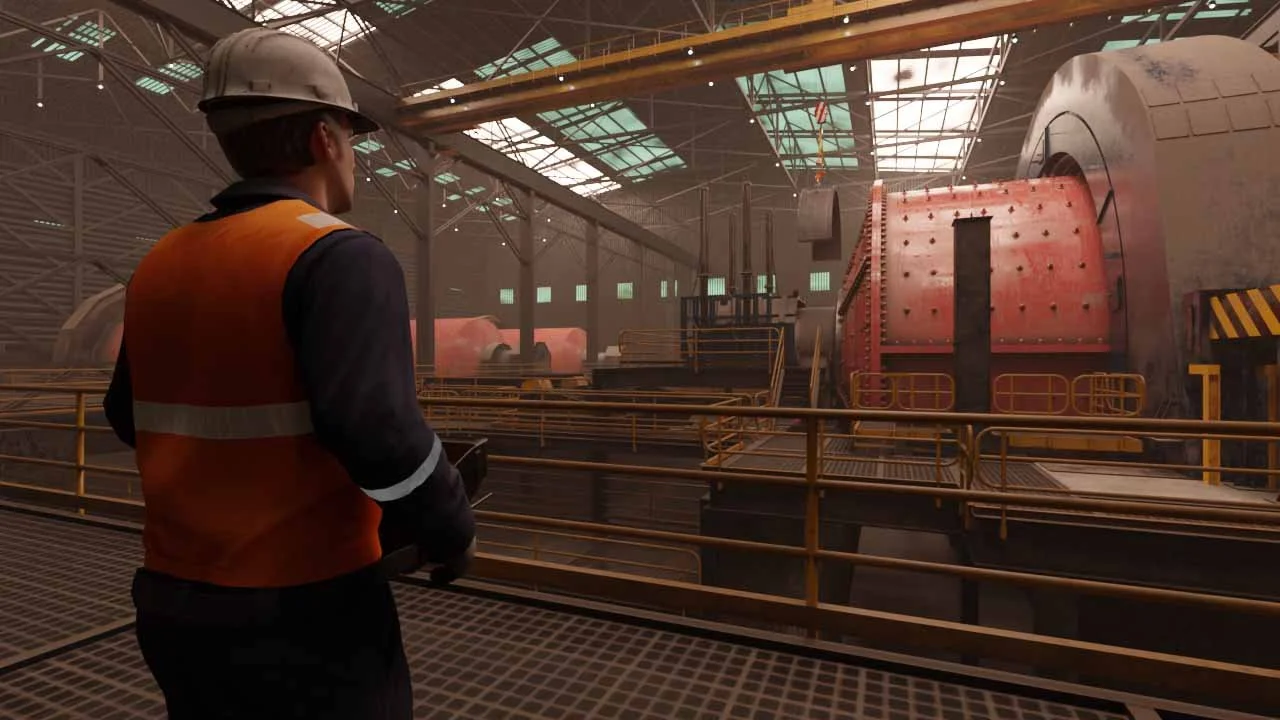
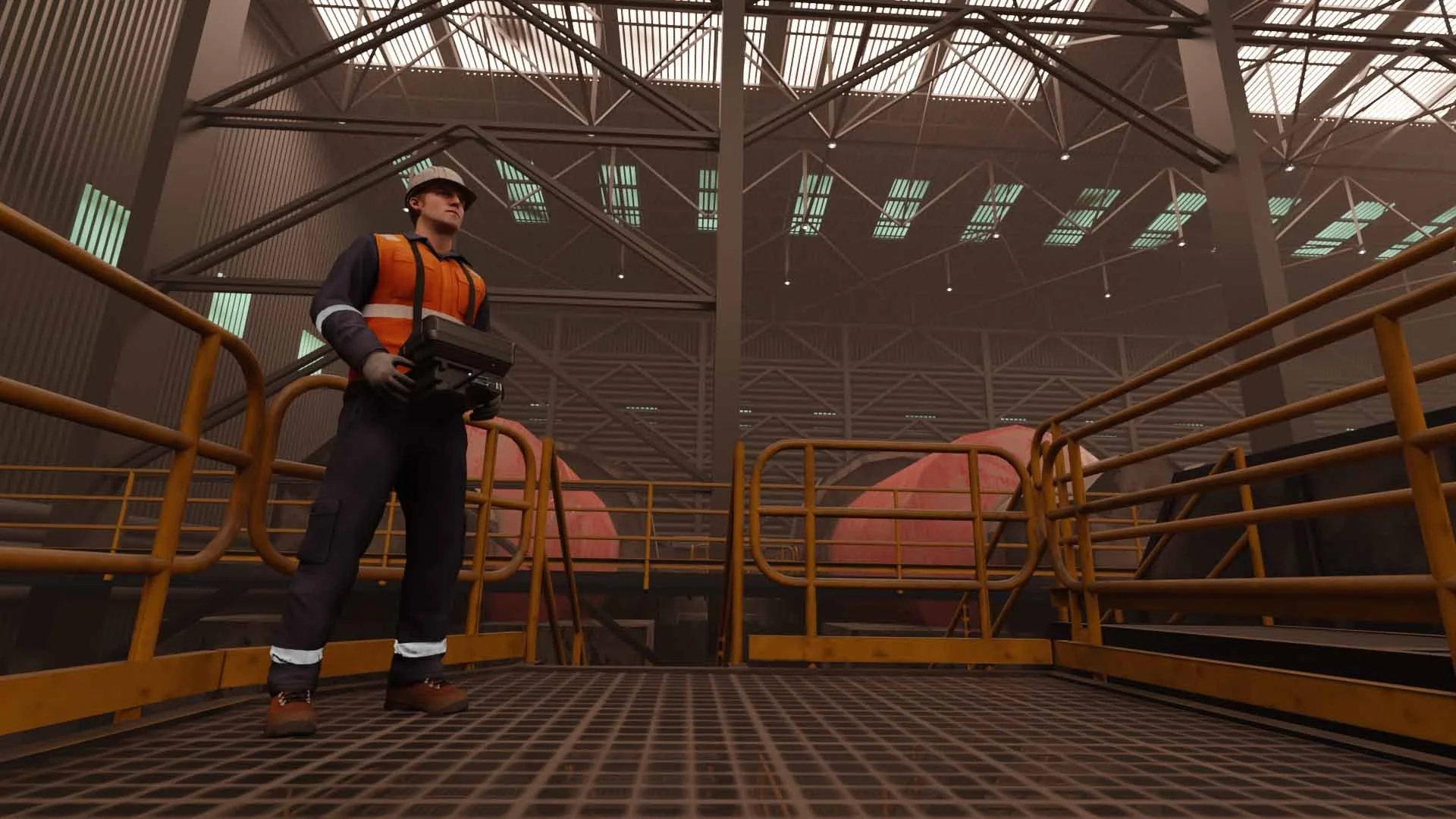
View with 1 Monitor
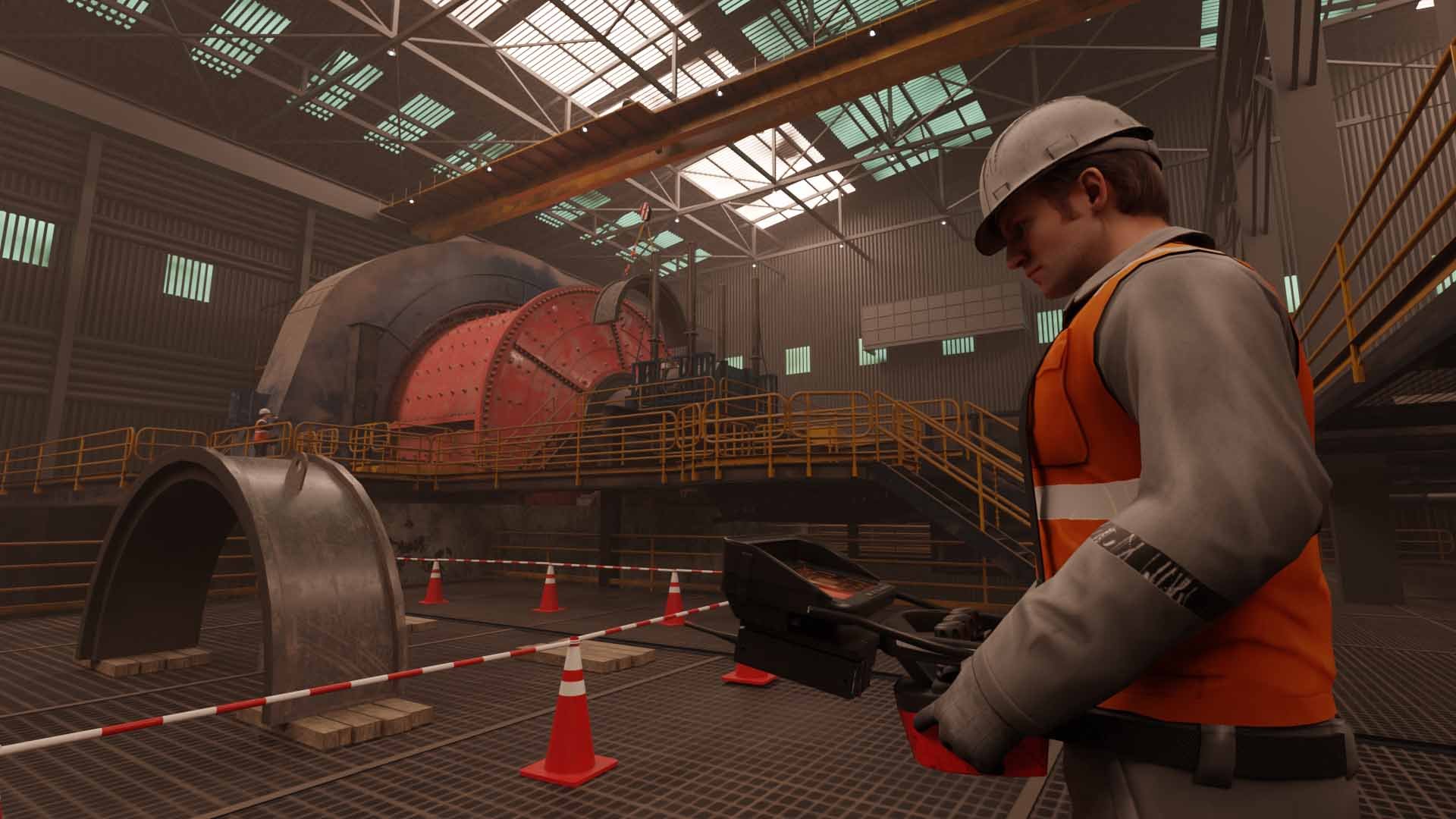
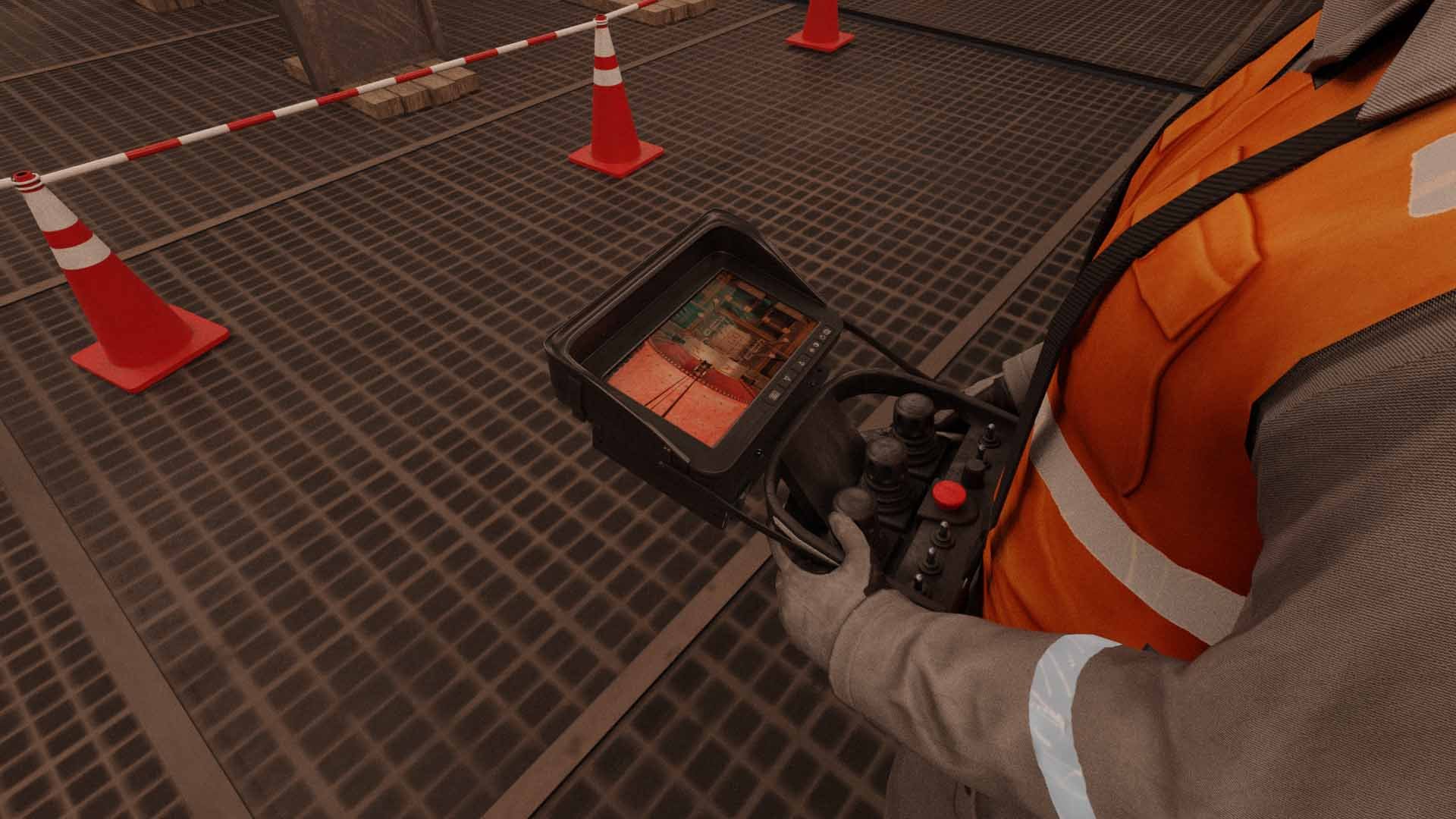
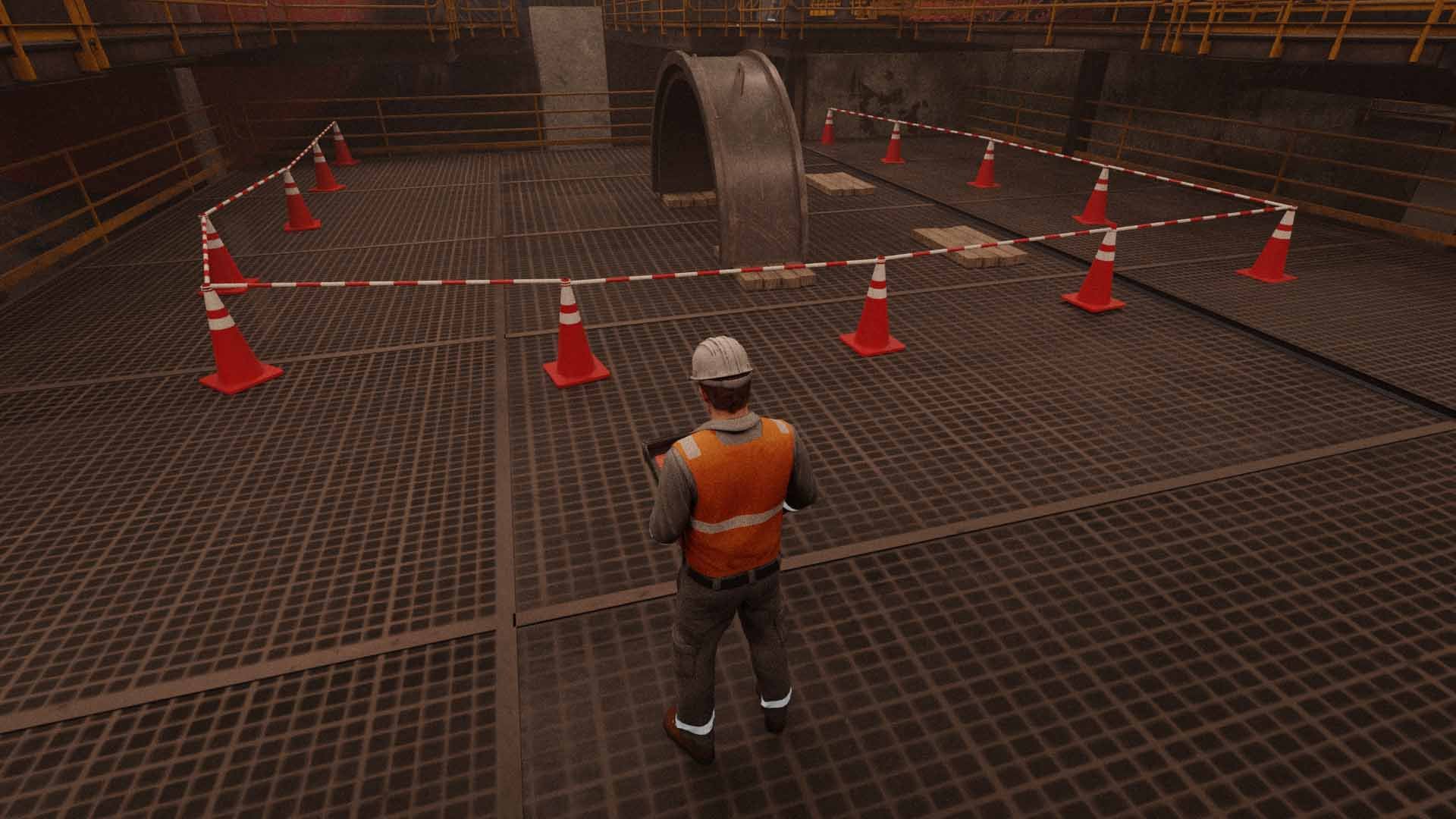
View with a second simultaneous monitor
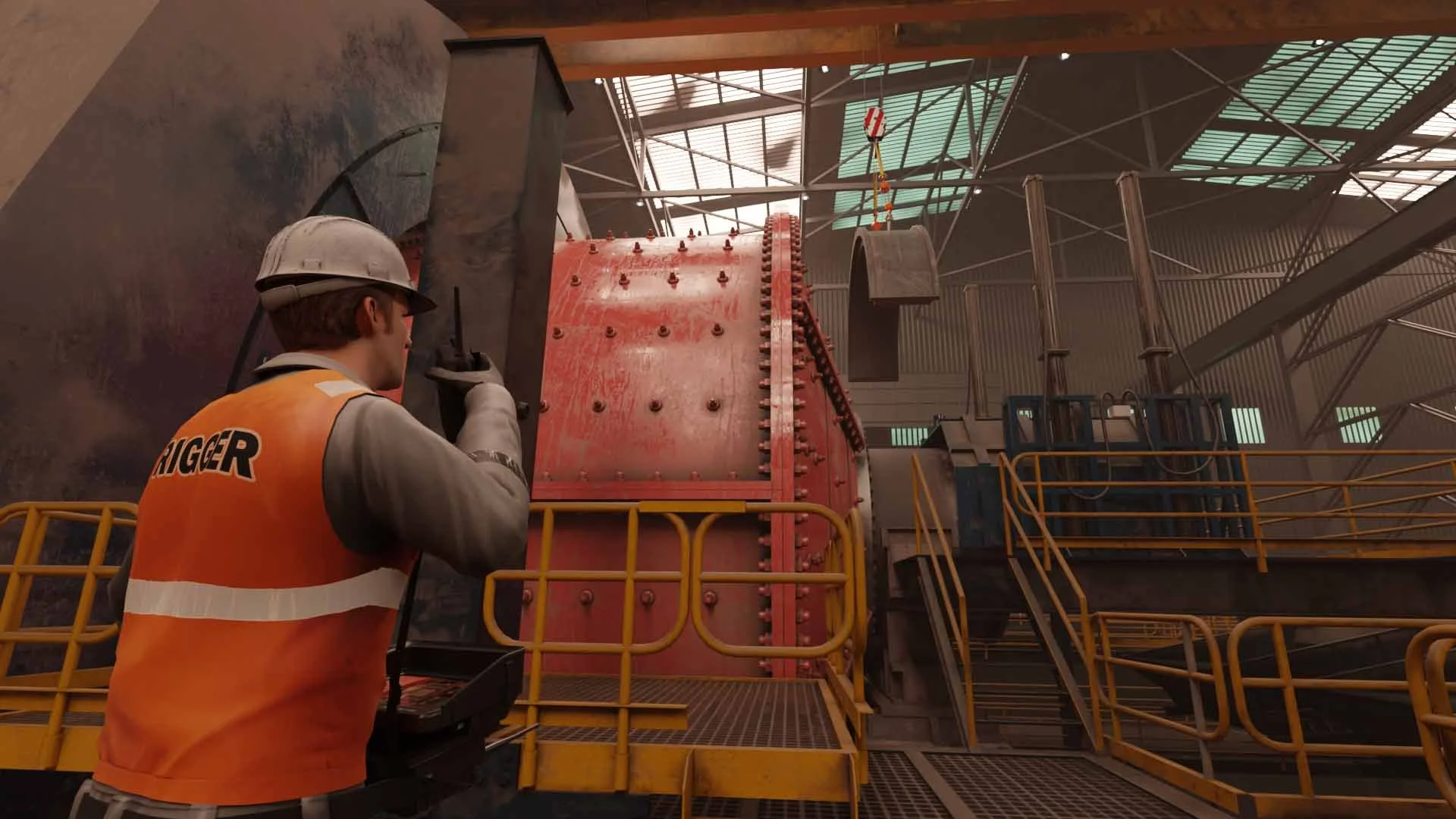
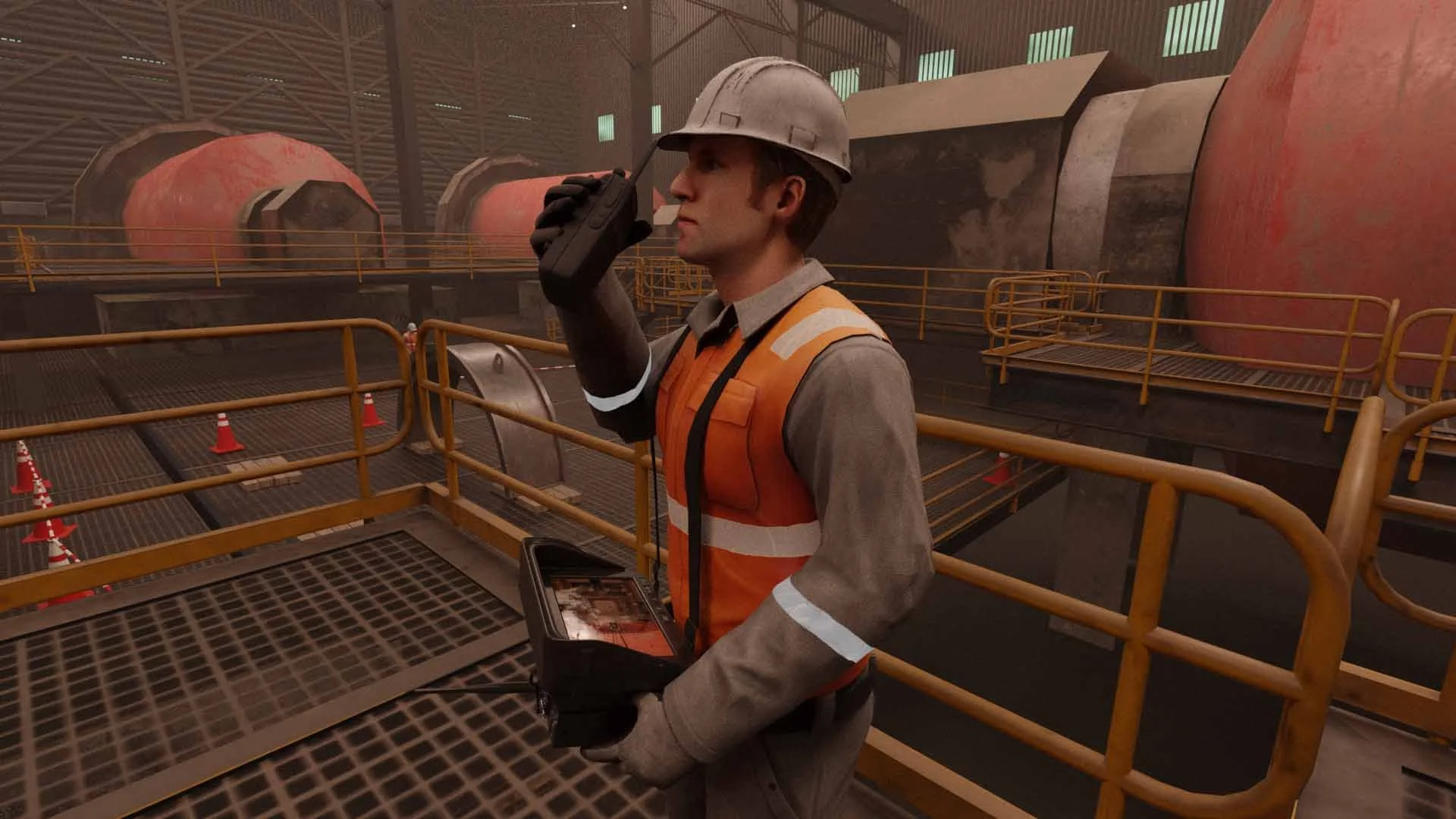
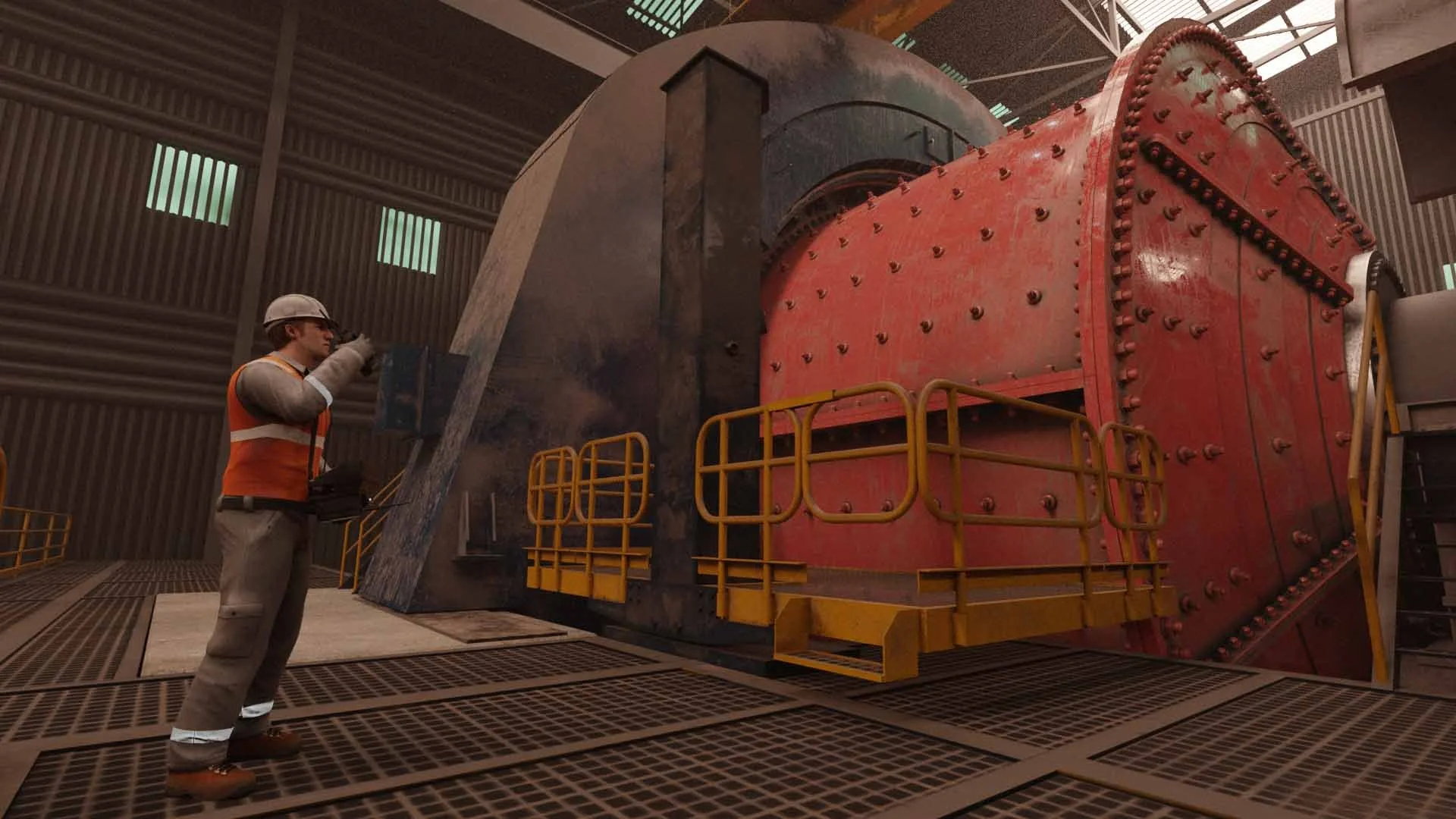
View with a third simultaneous monitor
-
All devices that make up the bird eyes (camera, transmitter, receiver, and monitor) are autonomous and operate using high-capacity, rechargeable lithium batteries.
-
In addition, all bird's eye devices can be quickly mounted or positioned thanks to their magnetic bases, optimizing time and avoiding drilling or irregular mounting.